

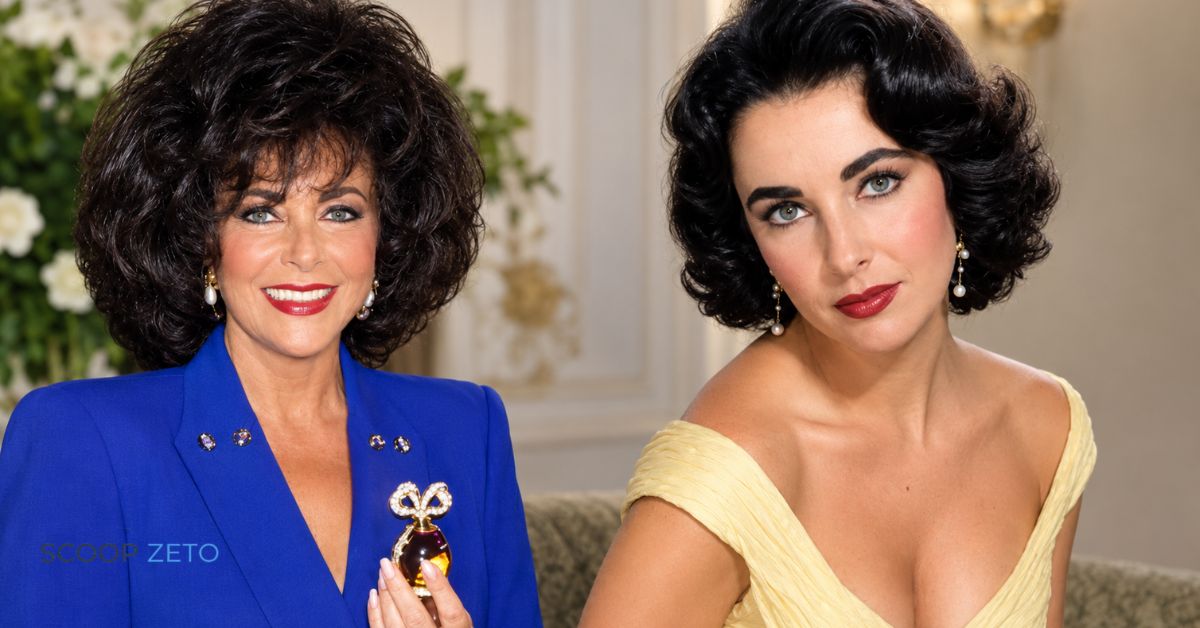
Readers who search karen lynch and elizabeth taylor are looking at two women who reached the top of very different fields. Karen S. Lynch is a corporate healthcare executive who became President & CEO of CVS Health in February 2021 and led it until 2024. Dame Elizabeth Rosemond Taylor was a Hollywood icon, a two-time Academy Award winner and a pioneer of HIV/AIDS activism who died on March 23, 2011.
They are not related and never worked together. Their link is thematic: both held power in male-dominated arenas, turned influence into measurable results, and left a legacy that still shapes healthcare and culture in 2026.
Demystifying the Connection Between Karen Lynch and Elizabeth Taylor
There is no family, professional or historical tie between Karen Lynch and Elizabeth Taylor. One is a living business executive born in Massachusetts. The other was a British-American film star born in London. People usually pair them because comparison content places a Fortune 500 CEO beside a Hollywood legend to show how different kinds of authority are built.
The pairing also works because both women influenced health. Lynch shaped healthcare accessibility through one of the largest companies in corporate America. Taylor raised the profile of HIV/AIDS awareness when few public figures would touch the subject.
Early Life and Background of Executive Leader Karen Lynch

Karen S. Lynch (née Rohan) was born on December 30, 1963, in Ware, Massachusetts. She studied at Boston College and earned a B.S. in Accounting, then completed a Master of Business Administration (MBA) at Boston University. Some public profiles also connect her graduate studies to the University of Denver, so check the institution against official biographies before citing it.
Her accounting training gave her financial acumen early. She began at KPMG, the global audit and advisory firm, where she learned how large organizations track money, risk and performance. That foundation of operational excellence and disciplined risk management later separated her from executives who rose through sales or marketing.
Early Childhood and Stardom of Hollywood Icon Elizabeth Taylor
Elizabeth Rosemond Taylor was born on February 27, 1932, in London, England, UK. She attended Byron House School in London before her family moved to Los Angeles, California, as World War II approached. She became a child actress at Universal and then signed with MGM, the studio that built her into a star.
Her breakthrough came with National Velvet in 1944, the story of a girl who trains a horse to win a major race. The film made her a household name before she was a teenager. That early start shaped her public image for life, because audiences watched her grow up on screen.
Corporate Rise of Karen Lynch in the Healthcare Sector
Lynch moved from KPMG into the healthcare sector and built her career across several insurers and benefit managers. She worked at Magellan Health Services, now known as Magellan Health, a company focused on behavioral health and specialty benefits. She then joined Cigna, a major health insurer, before moving to Aetna.
At Aetna, she rose through senior roles tied to Medicare and commercial business. After CVS Health acquired Aetna, she became President of Aetna and helped integrate the insurer with CVS’s pharmacy and clinic network. Her 2015–2024 stretch of senior responsibility reflects that climb.
| Organization | Type | Relevance to Lynch’s Career |
| KPMG | Accounting and advisory firm | Early accounting and audit training |
| Magellan Health | Behavioral and specialty health company | Mid-career operating experience |
| Cigna | Health insurer | Insurance and benefits leadership |
| Aetna | Health insurer | Senior leadership and President of Aetna |
| CVS Health | Healthcare and pharmacy company | Chief Executive Officer of CVS Health |
Cinematic Heights and Oscar Wins of Elizabeth Taylor
Taylor moved from child roles to adult drama with remarkable range. Cat on a Hot Tin Roof in 1958 earned her wide acclaim for its emotional intensity. She won her first Academy Award for Best Actress for Butterfield 8 in 1960, and her second for Who’s Afraid of Virginia Woolf? in 1966, a bitter portrait of a marriage opposite Richard Burton.
Her Cleopatra contract in 1963 changed Hollywood economics. She was the first actor to secure a $1 million film contract, which made her the world’s highest-paid movie star at the time. These record-breaking acting fees showed that a performer could negotiate like a business partner.
The following list highlights the core milestones of her screen career.
- National Velvet (1944): her child-star breakthrough
- Cat on a Hot Tin Roof (1958): a landmark dramatic role
- Butterfield 8 (1960): first Academy Award for Best Actress
- Cleopatra (1963): the $1 million film contract
- Who’s Afraid of Virginia Woolf? (1966): second Oscar win
Karen Lynch as President and CEO of CVS Health

In February 2021, Lynch became President & CEO of CVS Health, succeeding Larry Merlo. CVS Health is a Fortune 500 company that combines retail pharmacies, a pharmacy benefit manager, a health insurer through Aetna, and a growing set of clinics. Under her, the company employed over 300,000 employees and reported hundreds of billions in annual revenue.
Her tenure began in the middle of the pandemic. CVS Health took a central role in the national COVID-19 vaccine distribution rollout, using thousands of pharmacy locations to reach people close to home. That work put a pharmacy chain at the front of a public health emergency.
Her strategy centered on three priorities:
- Expanding local primary care through clinics and acquisitions
- Widening mental health services and digital diagnostic tools
- Connecting insurance, pharmacy and clinical care into a single consumer-centric health planning model
Philanthropy and Humanitarian Work of Elizabeth Taylor
Taylor’s most lasting work happened away from the camera. After her friend and co-star Rock Hudson died of an AIDS-related illness in 1985, she committed herself to HIV/AIDS activism. That same year she helped found the American Foundation for AIDS Research, known as amfAR, which funds clinical research and prevention.
In 1991, she launched The Elizabeth Taylor AIDS Foundation to support patient care, community services and political action. Together, her efforts raised hundreds of millions of dollars for medical funding and public education. She lobbied lawmakers and used her fame to challenge the stigma that surrounded the disease.
Her humanitarian causes changed how celebrities approach public health. Her model of pairing star power with sustained fundraising is now a standard playbook for global health advocacy.
Leadership Style of Karen Lynch in Corporate America
Lynch’s executive leadership was defined by a strategic mindset and a preference for data-driven decision-making. She focused on operational efficiency, measured outcomes and technological innovation. Colleagues often described her as empathetic leadership paired with firm accountability.
Her approach relied on a few repeatable habits, listed below.
- Prioritizing patient outcome improvements over short-term cost cuts
- Using analytics to guide capital allocation and corporate acquisitions
- Reworking corporate benefit structures to give members clearer choices
- Building community-based care close to where people live
This style fit her accounting roots. She treated healthcare as a system that could be measured, improved and scaled, while still keeping the human experience of care in view.
Public Persona and Cultural Impact of Elizabeth Taylor
Taylor’s public persona was larger than any single film. She lived under intense international media attention, with a jet-setting lifestyle, famous jewelry and eight marriages, including two to Richard Burton. Her relationship with the press helped create modern celebrity culture, in which an actor’s private life becomes public property.
Her cultural impact extended past scandal. She showed that a star could shape her own image, defend her friends and use visibility for causes. Classic Hollywood stardom often treated actresses as studio property, but Taylor pushed back and negotiated her own terms.
Comparing the Career Trajectories of Lynch and Taylor
| Category | Karen S. Lynch | Elizabeth Taylor |
| Born | December 30, 1963, Ware, Massachusetts | February 27, 1932, London, England, UK |
| Field | Corporate healthcare and business | Cinema, theatre and humanitarian activism |
| Early training | B.S. in Accounting, MBA | Byron House School, child studio contract |
| Peak role | President & CEO of CVS Health | World’s highest-paid movie star |
| Signature impact | Healthcare accessibility | HIV/AIDS awareness |
Financial Milestones and Business Achievements
Lynch managed a company with revenue in the hundreds of billions, which made her a Fortune 500 CEO and a recognized financial trailblazer. Her business achievements include integrating Aetna with CVS Health, guiding the vaccine effort and expanding primary care. She also faced regulatory scrutiny, as any leader of a major healthcare company does.
Taylor built wealth in a very different way. After Cleopatra, she treated her name as an asset. Her fragrance empire began with the perfume brand White Diamonds, launched in 1991, which became one of the best-selling celebrity fragrances ever. This celebrity brand monetization and celebrity entrepreneurship secured her financial destiny and inspired later stars to launch their own lines.
These steps show how each woman created value:
- Lynch grew long-term revenue through integration and care expansion
- Taylor turned fame into equity stakes and licensing income
- Both used business acumen to support larger public goals
Challenges Overcome by Karen Lynch and Elizabeth Taylor
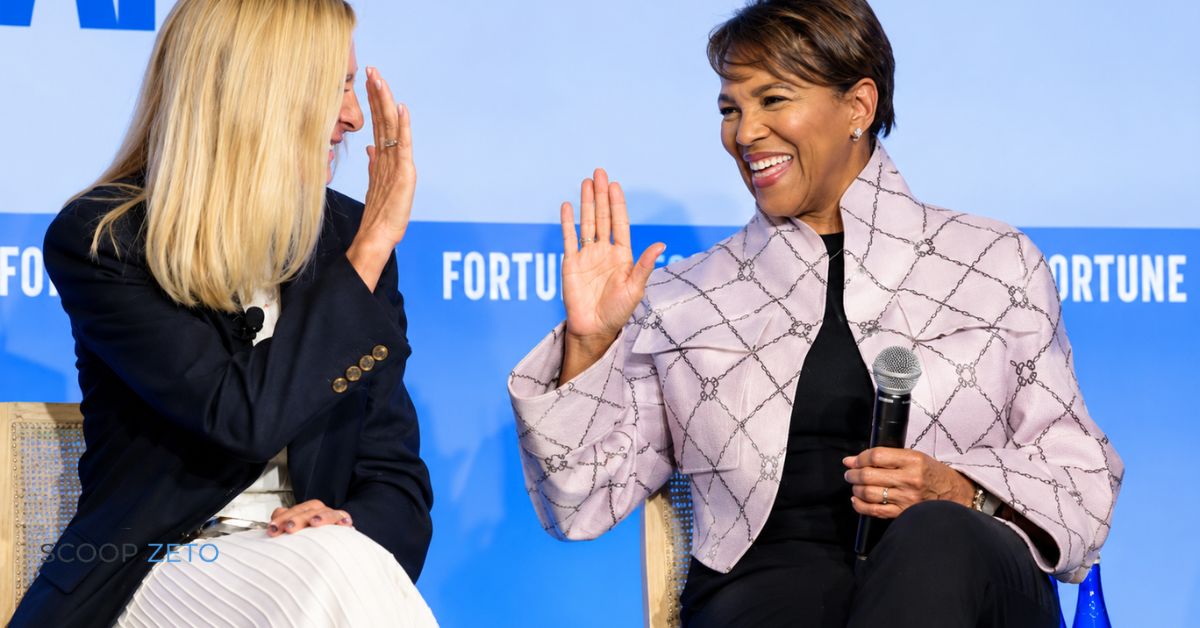
Lynch entered male-dominated boardrooms and had to prove herself repeatedly. She led during pandemic pressure, market integrations and heavy scrutiny from regulators, investors and the press. Her later years at the top were not easy, and her exit in 2024 followed a period of difficult financial results for the company.
Taylor faced public adversity of another kind. Tabloid scrutiny followed her every relationship. She also endured severe health challenges, including multiple surgeries and serious illnesses, yet kept working and advocating. Her personal resilience became part of her legend.
Awards, Honors, and Global Recognition
Both women earned top honors from their industries. The list below captures their most notable recognitions.
- Lynch: Fortune’s Most Powerful Women ranking, where she was named the #1 Most Powerful Woman in Business from 2021 to 2023, Time 100 Most Influential People (2023), Forbes inaugural 50 Over 50 list, and multiple honorary doctorate degrees
- Taylor: two Academy Awards for Best Actress, the Jean Hersholt Humanitarian Award from the Academy of Motion Picture Arts and Sciences in 1993, Dame Commander of the Order of the British Empire (DBE) in 2000 from Queen Elizabeth II, and the Presidential Citizens Medal in 2002
Lynch is also described as the highest-ranking female CEO in Fortune 500 history. These honors confirm global recognition for executive accomplishment in her case and lifetime achievement accolades in Taylor’s.
Modern Relevance of Karen Lynch in Contemporary Business
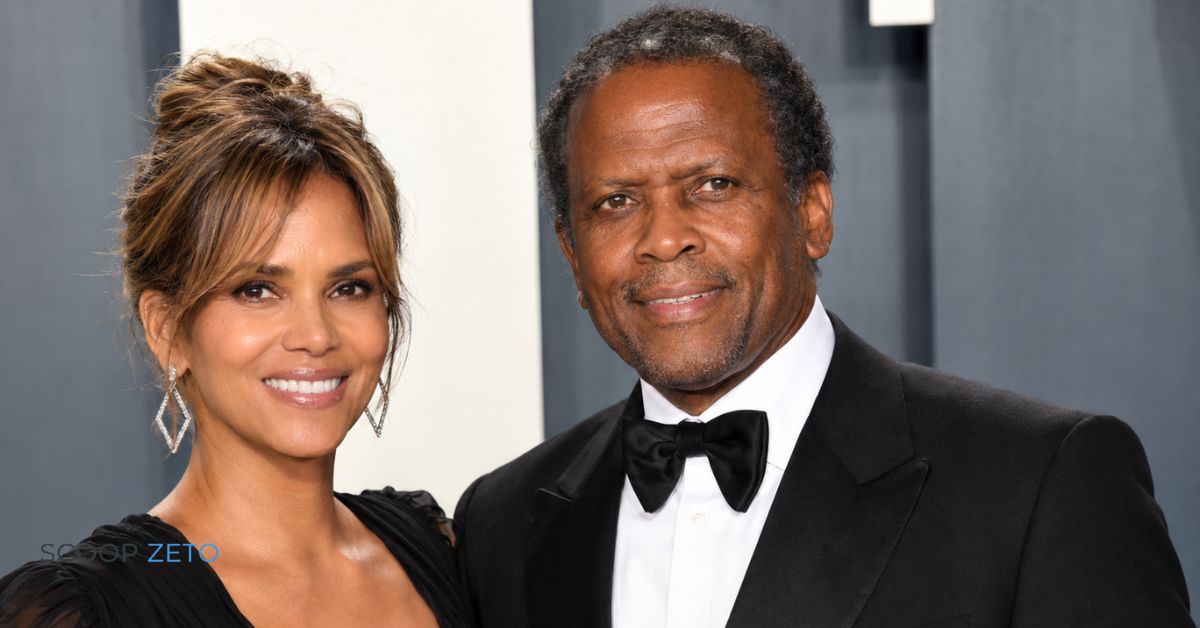
In 2026, Lynch’s career remains a reference point for women in executive leadership. Her record shows how a finance-trained leader can drive healthcare transformation and corporate turnaround efforts. Her focus on consumer access and accessible community care continues to shape how health companies think about clinics, pharmacies and insurance.
Her story also supports female empowerment in corporate boardrooms. She showed that female leadership in Fortune 500 boardrooms can succeed at the largest scale, and that corporate governance and social responsibility can sit within the same strategy.
Eternal Legacy of Elizabeth Taylor in Cinema and Activism
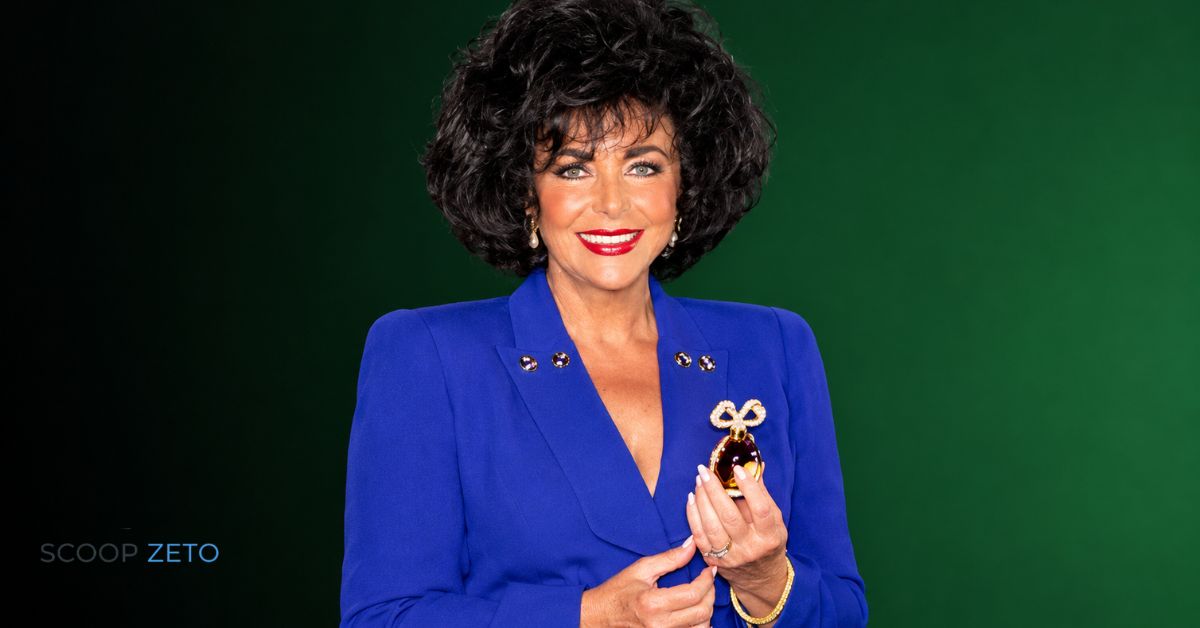
Taylor’s cinematic legacy rests on iconic film performances that continue to be studied in American cinema courses. Her artistic brilliance and global box offices success placed her among the defining names in cinematic history.
Her humanitarian legacy matters just as much. Her medical activism pushed HIV/AIDS into mainstream conversation and funded research that improved patient care. Because both foundations continue her work, her public service remains active more than a decade after her death at age 79 in Los Angeles.
Read More: Anna Faris Age: Net Worth, Kids, Husband
Key Lessons from the Lives of Karen Lynch and Elizabeth Taylor
The two lives offer practical lessons for leaders, creators and professionals. Here is what stands out:
- Build a foundation first. Lynch’s accounting skills and Taylor’s early stage experience supported later success.
- Use influence for a purpose. Both women applied their position to public health.
- Treat reputation as an asset. Taylor’s brand and Lynch’s executive credibility opened doors.
- Stay resilient. Each faced public pressure and kept moving forward.
- Lead with empathy and evidence. Lynch relied on data, and Taylor relied on conviction.
Read More: Anna Faris Age: Net Worth, Kids, Husband
Frequently Asked Questions
1. Are Karen Lynch and Elizabeth Taylor related?
No. They share no family ties and never worked together. Searches pair them because both are strong examples of women who reached the top of their fields.
2. Who is Karen Lynch?
Karen S. Lynch is a corporate healthcare executive born on December 30, 1963, in Ware, Massachusetts. She served as President & CEO of CVS Health from 2021 to 2024 and was previously President of Aetna.
3. What were the major achievements of Elizabeth Taylor?
Taylor won two Academy Awards for Best Actress, became the first actor to secure a $1 million film contract for Cleopatra, and helped found amfAR. She also launched the Elizabeth Taylor AIDS Foundation and the White Diamonds fragrance line.
4. Why do people search for Karen Lynch and Elizabeth Taylor together?
People often look for comparisons between powerful women from different fields. Their shared influence on healthcare, one through business and one through activism, makes the pairing natural.
5. What awards did Elizabeth Taylor win during her lifetime?
She won two Oscars, the Jean Hersholt Humanitarian Award in 1993, the DBE in 2000 and the Presidential Citizens Medal in 2002.
6. What is the business legacy of Karen Lynch?
Her legacy includes leading CVS Health through the COVID-19 vaccine rollout, integrating Aetna, expanding primary care and mental health services, and breaking barriers as the highest-ranking female CEO in Fortune 500 history.
Conclusion
Karen Lynch and Elizabeth Taylor are not connected by blood or career, yet their stories complement each other. One reshaped corporate healthcare from the executive suites of CVS Health. The other redefined classic Hollywood and turned fame into global health advocacy. Together they show that female power can take many forms, and that lasting influence comes from skill, courage and a clear sense of purpose.

Jasper Vale is a measurement focused writer at Scoop Zeto, creating clear, practical content about units, conversions, calculations, and everyday measurement concepts. Jasper focuses on research, accuracy, and easy explanations, helping readers understand measurement topics with confidence. His editorial approach emphasizes useful information, careful checking, and reader friendly guidance.