

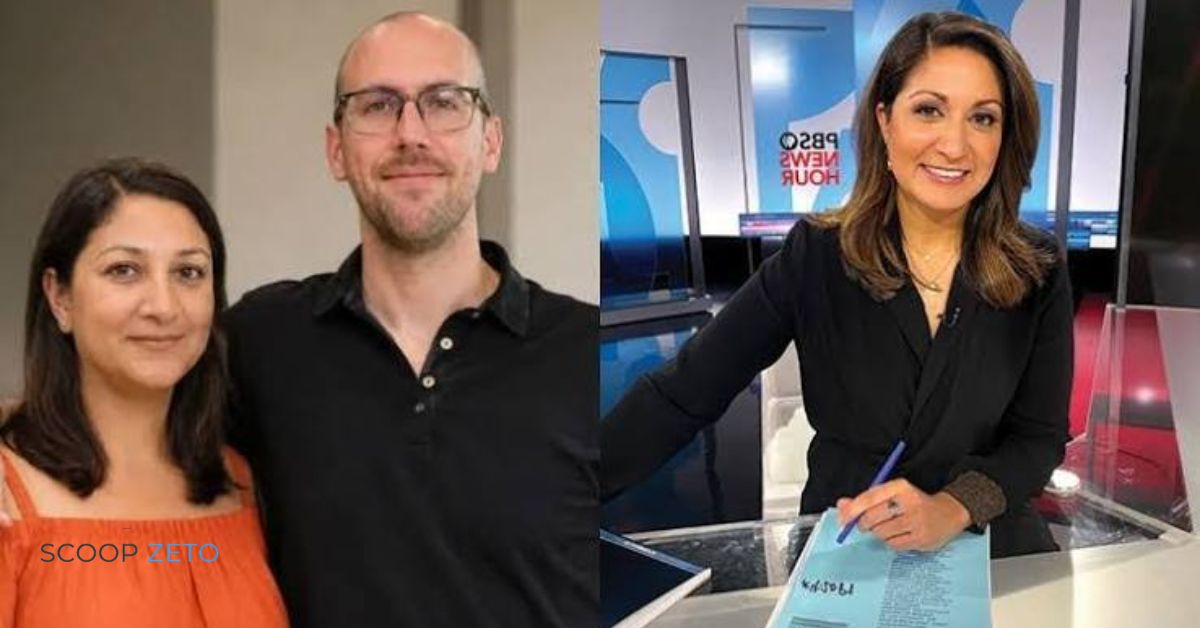
Paul Werdel is an American journalist and digital media strategist, born on November 17 in the late 1970s in Baltimore, Maryland. He studied journalism at the University of Maryland, then moved through broadcast production at BBC World News, news editing at Al Jazeera English, digital editing at TPM Media, and product leadership at The New York Times.
He is married to PBS NewsHour co-anchor Amna Nawaz, and the couple has two daughters. After stepping away from his full-time executive role in 2018, he turned to independent digital media consulting and became the primary family caregiver.
Early Life and Educational Background
Paul Werdel’s biography starts in Baltimore, Maryland, where he was born on November 17 in the late 1970s. His birthplace places him in a region with strong ties to Washington, D.C., one of the largest news hubs in the world. Based on his birth window, Paul Werdel’s age in 2026 falls in the mid-to-late 40s. His exact birth year is not widely published.
His nationality is American. For his Paul Werdel education, he enrolled at the University of Maryland, where he studied from 1998 to 2002 and earned a Bachelor of Arts in Journalism in 2002. The University of Maryland is a large public research university in College Park, and its journalism college is known for reporting, writing and media ethics training.
- Reporting and media ethics
- Media studies and the role of news in society
- Studio production and broadcast basics
- Writing for print, broadcast and online audiences
Early Career in Broadcast Journalism
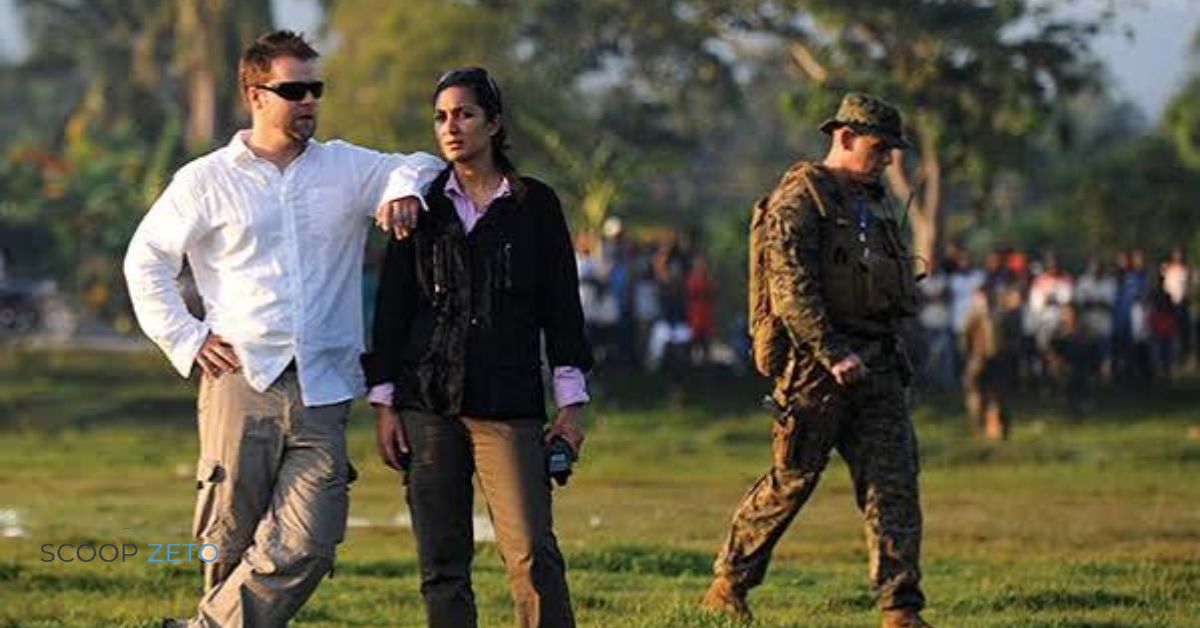
The Paul Werdel career began where classroom learning met live production. At the University of Maryland, he worked as a lecturer and production coordinator, sometimes described as an assistant lecturer. In that role he helped students learn studio production while keeping the practical workflow of a newsroom running. Teaching forces clear explanation, and that habit shows in his later product and editorial work.
He then joined BBC World News as a broadcast producer and director. BBC World News is the international television news channel of the British Broadcasting Corporation, reaching audiences in many countries. In this role, he worked on live news broadcasts, where timing, accuracy and teamwork decide whether a show succeeds. A producer shapes the editorial flow of a program, while a director controls how the studio, cameras and graphics come together on air.
This stage of his Paul Werdel journalism career built three skills that stayed with him:
- Working under live deadlines without losing accuracy
- Coordinating editors, camera crews and on-air talent
- Judging what matters most to a global audience in real time
Expansion into International News at Al Jazeera English
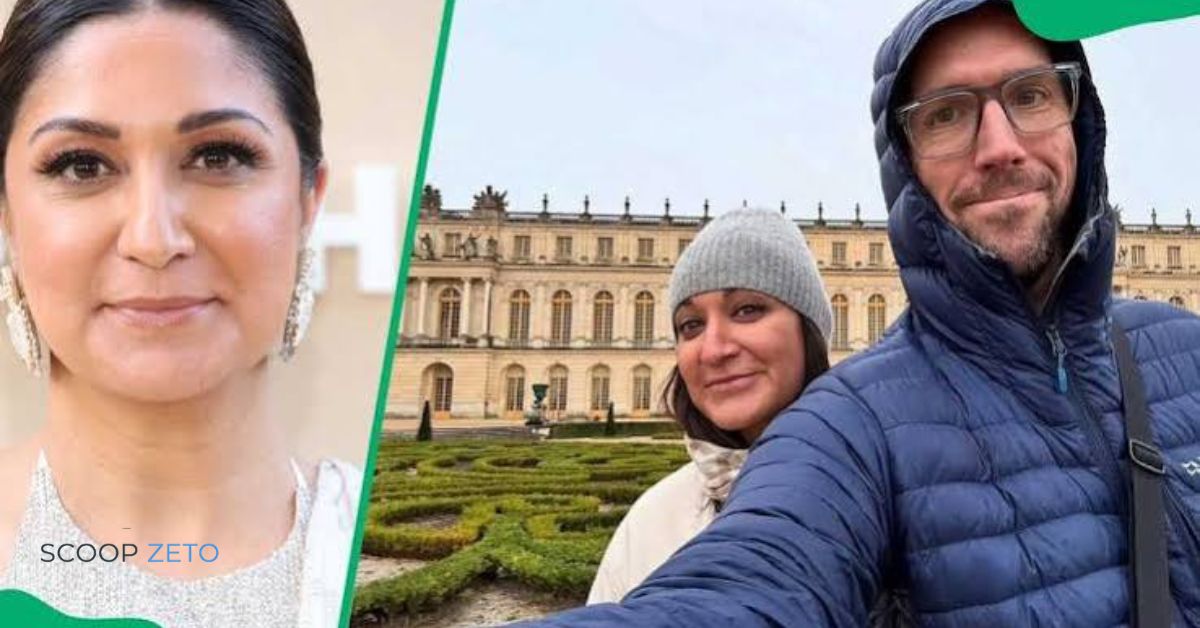
From 2007 to 2011, Paul Werdel worked at Al Jazeera English as a news editor. Al Jazeera English is the English-language arm of the Qatar-based Al Jazeera Media Network, known for wide coverage of the Middle East, Asia, Africa and Latin America. Global news networks like this depend on international reporting desks and global correspondents who file from many time zones.
As a news editor, he decided which stories moved forward, how they were framed and how they met editorial standards. That work called for strong editorial integrity, because cross-border stories often involve sensitive politics and competing narratives. His time there added international journalism experience to his broadcast background and showed him how audiences in different regions consume the same story differently.
Transition to Digital Media: TPM Media
After Al Jazeera English, Paul Werdel moved into digital publishing at TPM Media LLC, the company behind Talking Points Memo. Talking Points Memo is an independent American news site known for political coverage and reader-funded journalism. He worked there as a Senior Associate Editor, which placed him inside a fast-moving, digital-first political reporting operation.
This was a turning point in his professional achievements. Unlike television, where a program airs at a set time, online news runs continuously. Editors there must think about headlines, timing, social sharing and reader loyalty alongside the story itself. Talking Points Memo also leaned on subscription models, which made audience trust a business matter as well as an editorial one.
The shift taught him that digital media transformation is not just moving content online. It means rethinking how stories are produced, packaged and delivered to readers who may only see a headline on a phone.
Key Leadership Roles at The New York Times
In 2012, Paul Werdel joined The New York Times, and he spent six years there. The New York Times is one of the most influential newspapers in the United States, with a large global digital audience. His position as a former product director at The New York Times came after a steady climb through digital and product roles.
Roles reported across his time there include Assistant Editor for Digital Platforms, Senior Editor of Platforms, Senior Product Manager for Mobile, Product Director and Senior Product Director, alongside work as a digital editor. The exact order of these titles is not fully documented publicly, but they show a clear path from editing toward product leadership.
| Organization | Role | Focus Area |
| University of Maryland | Lecturer and Production Coordinator | Studio production and teaching |
| BBC World News | Broadcast Producer and Director | Live news broadcasts |
| Al Jazeera English (2007–2011) | News Editor | International reporting desks |
| TPM Media LLC | Senior Associate Editor | Digital-first political reporting |
| The New York Times (2012–2018) | Senior Product Director and Digital Editor | Mobile and digital platforms |
Strategic Vision and News Product Management
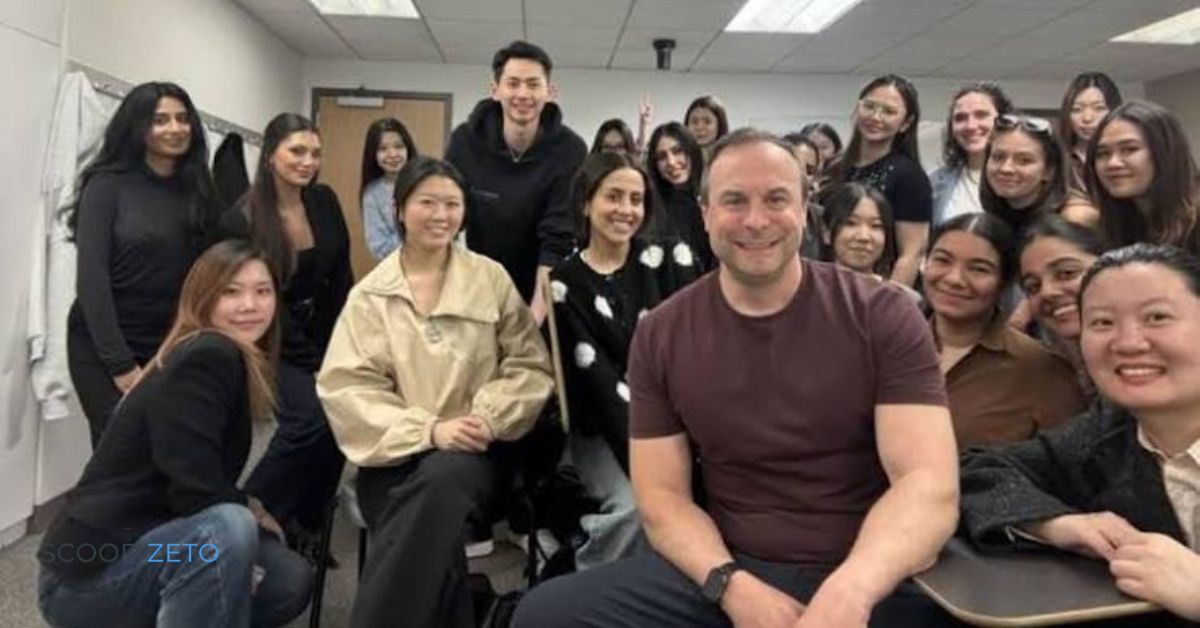
News product management sits between editors, software developers and user experience designers. A news product manager decides what features a news app or website needs, and why. Paul Werdel’s work in news product management centered on helping a traditional newsroom think like a digital product team while keeping editorial standards intact.
His strategic vision is best understood through the problems that mobile news teams face:
- Mobile app strategy: Deciding how a news app should present stories to people who check it in short moments.
- Breaking news alerts: Setting rules so alerts feel urgent and useful rather than noisy.
- Push notification relevance: Matching alerts to what readers actually care about.
- Data analysis and audience testing: Using audience analytics to test headlines, layouts and features.
- Mobile subscription growth: Building products that turn casual readers into paying subscribers.
This is what Paul Werdel’s media innovation looked like in practice. Technology and journalism have to work together, because a great story reaches fewer people if the product around it is clumsy. He also worked with executive editors, who set the newsroom’s priorities, to make sure product decisions respected editorial standards.
Digital subscription patterns showed that readers pay for reliability and convenience, not only for volume. That insight still guides digital publishing today, as newsrooms weigh AI technology, social platforms and subscription models in their plans.
Marriage to Amna Nawaz: A Partnership in Journalism
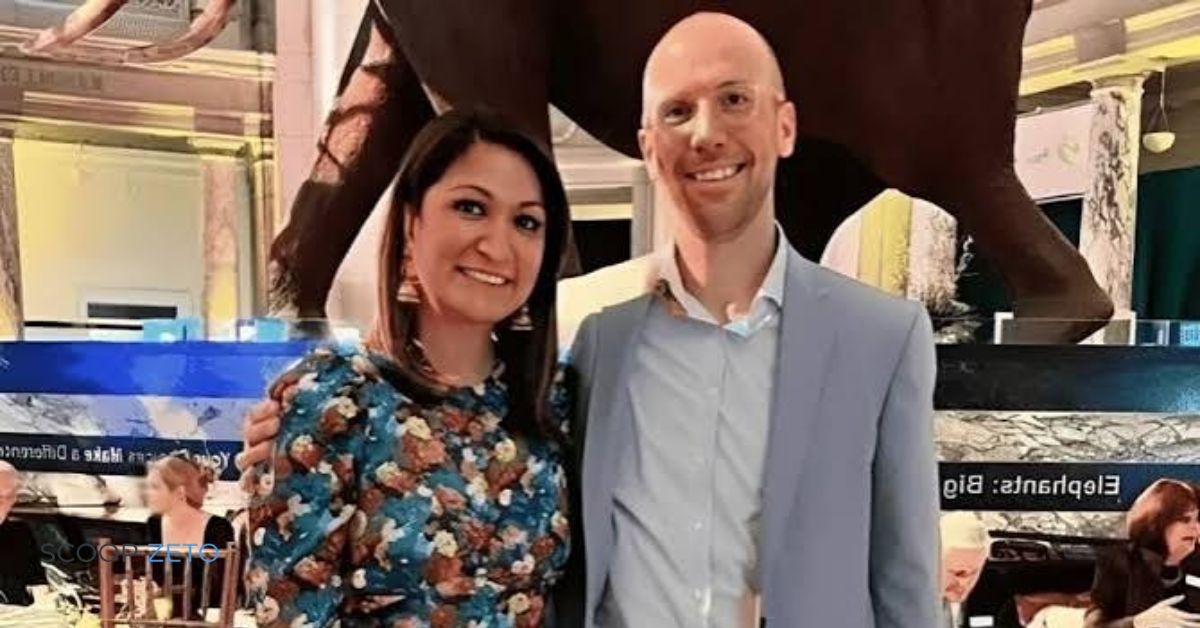
Paul Werdel’s wife is Amna Nawaz, one of the most recognized faces in American broadcast news. Paul Werdel and Amna Nawaz married in 2007, and the couple shares a profession built around public-interest reporting. For readers searching for Amna Nawaz’s husband, the answer is Paul Werdel, a digital media strategist rather than an on-air personality.
Amna Nawaz is a co-anchor of PBS NewsHour, the nightly news program of the Public Broadcasting Service. Before joining PBS, she worked at NBC News and ABC News. Her national anchor responsibilities include leading nightly coverage, interviewing newsmakers and guiding the program’s editorial voice.
The Paul Werdel and Amna Nawaz marriage is often described as a partnership between two journalists who understand each other’s pressures. One works in front of the camera, and the other has worked behind the scenes on editorial and product decisions. Both have experience in broadcast journalism and digital journalism, so each understands the other’s deadlines, travel and unpredictable news cycles. Amna Nawaz’s family life also includes the daughters they are raising together.
Prioritizing Family: A Modern Approach to Parenting
The Paul Werdel family includes his wife and their two daughters. Questions about Paul Werdel’s children and daughters usually lead to the same answer: two girls, raised in a household where both parents have demanding media careers. Specific details about the children are kept private, which is a reasonable choice for a family with a public-facing parent.
Paul Werdel’s family life reflects a modern approach to parenting built on shared parenting responsibilities and clear communication. In dual-career households, the key questions are practical: who handles school mornings, who travels, and who is available when something goes wrong.
Families like this often rely on a few common habits:
- Agreeing on career and family priorities early
- Building family support systems of relatives, friends and trusted caregivers
- Reviewing the schedule regularly as work demands change
- Treating family well-being as a priority rather than an afterthought
Life as Primary Caregiver and Strategic Consultant
In 2018, after six years at The New York Times, Paul Werdel stepped away from his full-time executive role. It was a strategic decision to put family first at a time when his wife’s national anchor responsibilities were growing. He did not leave work altogether. He moved to independent digital media consulting while taking on the role of primary family caregiver.
This is a good example of Paul Werdel as primary caregiver and consultant at once. The setup works because consulting offers flexibility that a full-time executive position rarely does. It also shows professional adaptability, since he applied the same planning skills he used in newsrooms to a household.
Personal Philosophy and Public Impact
- Editorial integrity matters more than speed.
- Good products serve readers first and metrics second.
- Family independence and support go hand in hand with career growth.
His career shows consistent respect for media ethics. In both broadcast and digital settings, he worked in environments where trust is the main asset. That commitment gives his work lasting influence, even though he rarely appears in the public spotlight.
Public figures often talk about balance, but his story shows it in action. Many readers searching for the Paul Werdel biography also want to know how he handled big career moves, and the answer is steady, thoughtful transitions rather than dramatic leaps.
Read More: Peter Orszag Bald: Who Is Lazard’s CEO Behind the Look? 2026
Current Pursuits and Digital Media Advisory Work
Today, the Paul Werdel current career centers on Paul Werdel digital media consulting. As an independent digital media advisor, he helps organizations think through audience strategy, product direction and digital news distribution. Paul Werdel’s media advisory work draws on a rare mix of editing, broadcast and product experience.
Typical advisory topics in this field include:
- Improving user experience design for news sites and apps
- Using audience analytics to guide editorial and product choices
- Planning real-time audience engagement for live events
- Exploring cross-border streaming and global audience growth
- Responding to AI technology and changing social platforms
He may also support civic initiatives, educational initiatives and digital literacy projects, along with media industry summits and journalism mentorship. Public details on these activities are limited, so they are best described as areas that match his skills rather than confirmed commitments.
Read More: Alissa Mahler Biography: Career, Family & Secrets (2026)
The Legacy of Paul Werdel in Modern Media
The Paul Werdel modern media legacy rests on one idea: journalism and technology work best together. He started in studio production, learned international journalism abroad, mastered digital publishing in a subscription-driven newsroom and then helped shape mobile news products at a major American paper.
His legacy in modern media has several parts:
- Bridging the gap between editors and software teams
- Treating mobile news platforms as a core part of newsgathering, not an add-on
- Showing that product thinking can strengthen editorial standards
- Demonstrating that leaders can change course for family without losing professional relevance
Read More: Laurie Metcalf Children: Who Is Will Theron Roth? 2026
Frequently Asked Questions
Who is Paul Werdel?
Paul Werdel is an American journalist, digital media strategist and former news product leader. He worked at BBC World News, Al Jazeera English, TPM Media and The New York Times. He is also known as the husband of PBS NewsHour co-anchor Amna Nawaz.
What is Paul Werdel’s educational background?
He attended the University of Maryland from 1998 to 2002 and earned a Bachelor of Arts in Journalism in 2002. His studies covered reporting, media ethics, media studies and studio production.
Which major news organizations has Paul Werdel worked for?
He has worked for BBC World News as a broadcast producer and director, Al Jazeera English as a news editor, TPM Media LLC as a senior associate editor, and The New York Times in digital editing and product leadership roles.
Who is Paul Werdel married to?
He is married to Amna Nawaz, co-anchor of PBS NewsHour. They married in 2007 and have built a family while both pursuing media careers.
How many children do Paul Werdel and Amna Nawaz have?
They have two daughters. The family keeps further details private.
Why did Paul Werdel step down from his role at The New York Times?
He stepped away from his full-time executive role in 2018 after six years at the paper. The move allowed him to prioritize family, become the primary family caregiver and continue working through independent digital media consulting.
What is Paul Werdel doing today?
He works as an independent digital media consultant and advisor while serving as the primary caregiver for his family. His focus includes digital media strategy, audience strategy and news product guidance.
Conclusion
Paul Werdel’s story links broadcast journalism, international reporting, digital editing and news product leadership into one career. From his University of Maryland degree to his work at BBC World News, Al Jazeera English, TPM Media and The New York Times, each stage built on the last. His 2018 decision to step away from a full-time executive role, serve as primary family caregiver and continue as an independent consultant reflects clear priorities and strong professional adaptability. His marriage to Amna Nawaz and their life with two daughters add a human side to a career built on innovation, trust and thoughtful choices.
Jasper Vale is a measurement focused writer at Scoop Zeto, creating clear, practical content about units, conversions, calculations, and everyday measurement concepts. Jasper focuses on research, accuracy, and easy explanations, helping readers understand measurement topics with confidence. His editorial approach emphasizes useful information, careful checking, and reader friendly guidance.